
Water and Fire Damage Repair and Refurbishment Services in Surrey
Call: 07525617575
Water and Fire Damage Repair and Refurbishment Services
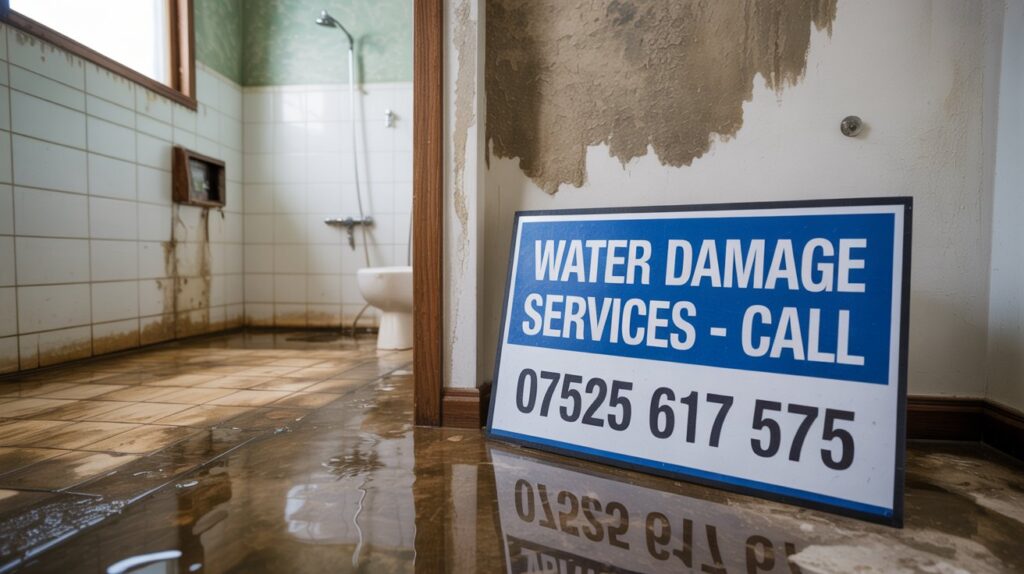
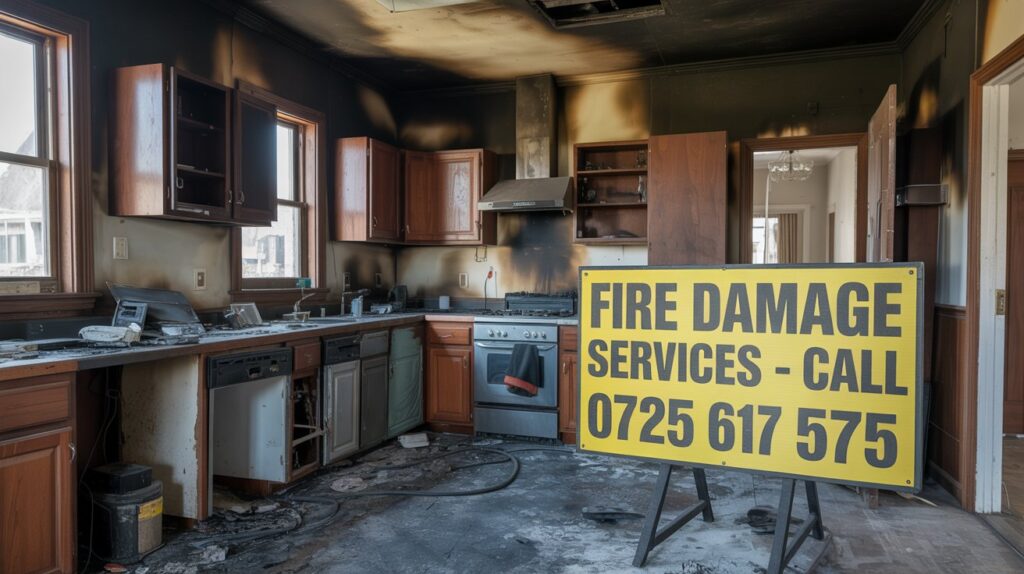
We, OWP LTD, offer Water and Fire Damage Repair and Refurbishment Services in Surrey. We specialise in delivering comprehensive water damage repair and refurbishment services tailored to our clients’ unique needs. Our dedicated team of experienced professionals is adept at assessing the extent of water damage and employing state-of-the-art equipment to effectively mitigate and restore affected areas. From swift water extraction to thorough drying, we ensure your property is restored to its pre-damage condition with minimal disruption. We are committed to providing exceptional customer service and high-quality workmanship, making us the ideal choice for all your water damage restoration needs in Surrey.




Cost of Water Damage Restoration
The cost of water damage restoration can vary widely based on several factors, creating a financial impact that often catches homeowners off guard. Typical expenses depend on the extent of damage, the type of water involved, and the required services, which may include water extraction, drying, and repairs to structural elements such as ceilings and walls. Insurance companies might cover some costs, but knowing what your policy entails can be crucial in planning for any out-of-pocket expenses.
Pricing may also be influenced by the location of the damage. For instance, a leak in the bathroom may be less costly to remedy than extensive flooding in a basement, where mould growth and structural damage can complicate matters. Other variables, such as the need for specialised equipment or materials, like ceramic or porcelain resurfacing, also play a role in determining the final bill. Homeowners should seek quotes from multiple restoration services to obtain a clearer understanding of the potential costs involved.
Our events
Call us and we will try to help you
Factors Influencing Repair Costs
Repair costs for water damage restoration can vary based on several factors. The extent of the damage plays a critical role: larger areas affected by floodwater typically require more extensive work, resulting in higher costs. Factors like the type of water involved, whether it is clean, grey, or black, also matter, as contaminated water necessitates additional safety measures such as decontamination and specialised disposal. The location within the house, whether it be the kitchen, loft, or basement, influences the cost as well due to varying levels of accessibility and associated repairs to existing structural elements like drywall and electrical systems.
Labour costs are another significant contributor, varying by region and the availability of skilled tradespeople. Companies may charge differently based on their credentials and experience. Policyholders may find that their insurance coverage affects overall costs: some policies may cover full restoration, while others may cover only specific aspects. Quotation processes can vary widely; therefore, it’s advisable to obtain estimates from multiple providers. Additional factors include necessary equipment for restoration, such as dehumidifiers and thermal imaging technology, which may lead to increased pricing depending on the situation’s complexity.
Prevention and Remediation Strategies
Effective prevention strategies play a vital role in mitigating water damage risks in various areas of a property, particularly in bathrooms and kitchens where the likelihood of leaks is higher. Ensuring that wash basins, bathtubs, and radiators are properly sealed can significantly reduce the chances of moisture penetration. Regular inspections of piping systems and wiring can help identify potential problems early on, allowing for prompt repairs. Keeping an eye on humidity levels within the home also contributes to minimising the risk of mould spores and decay.
When water damage does occur, timely remediation is crucial to prevent further deterioration. Employing reliable methodologies for detecting and addressing issues like penetrating damp or dry rot can eliminate the source of the problem effectively. Home maintenance should include routine checks of fuse boxes and central heating systems to detect any signs of water compromised areas, while professional services can assist with comprehensive assessments and repairs. Implementing appropriate coatings and treatments can protect materials from moisture-related corrosion, ensuring a sustainable living environment.

Types of Water Damage
Water damage can arise from various sources, each presenting its own set of challenges. Common types include plumbing leaks, which can originate from faulty taps or burst pipes. Storm-related damage often results from heavy rainfall overwhelming guttering systems, leading to water entering homes through cracks or poorly sealed roofs. Additional threats include issues with water supply lines and waste systems. Even minor leaks can lead to significant moisture accumulation, creating a conducive environment for mould growth.
Construction-related water damage can occur during renovations if proper precautions are not taken. Poor insulation and lack of effective moisture barriers can exacerbate the situation, allowing water to infiltrate structure components. This type of damage may also arise from inadequate airflow, leading to condensation build-up in areas like basements. Protecting properties with appropriate waterproofing measures can mitigate potential issues, while regular inspection and maintenance of plumbing systems are crucial in preventing costly repairs and ensuring overall health and safety.
Variations and Related Issues
Water damage can originate from various sources, each leading to distinct complications that require tailored repair strategies. For instance, flooding from heavy rainfall can cause significant issues in basements, affecting insulation and potentially requiring the replacement of plasterboard and flooring. Alternatively, leaks from UPVC pipes can lead to slow but damaging water accumulation, ultimately compromising structural integrity. Insurers often scrutinise the cause of water damage when determining coverage, which can cause stress for homeowners and landlords alike during crises.
The presence of mould is another critical concern associated with water damage; it can pose serious health risks, especially in environments like hospitality and healthcare settings. Safety should always be a priority, which necessitates implementing environmentally friendly mould remediation strategies.

FAQS
What is the average cost of water damage restoration in Surrey?
The average cost can vary widely based on the extent of the damage, but homeowners can typically expect to pay between £1,000 to £5,000 for comprehensive restoration services.
What factors can influence the cost of water damage repairs?
Several factors can influence repair costs, including the type and severity of the water damage, the size of the affected area, the materials involved, the need for mould remediation, and the urgency of the repair work.
How can I prevent mould growth after water damage?
Preventing mould growth involves drying out the affected area within 24 to 48 hours, maintaining low humidity levels, ensuring proper ventilation, and using dehumidifiers if necessary.
What are the common types of water damage?
Common types of water damage include clean water damage from burst pipes, grey water damage from appliances, and black water damage from sewage. Each type presents different risks and requires specific remediation strategies.
How can I identify the signs of water damage in my home?
Signs of water damage can include discolouration or stains on walls or ceilings, a musty smell, peeling paint or wallpaper, and visible mould growth. If you notice any of these signs, it’s crucial to address the issue promptly to prevent further damage.